Business & Development – The Impact of Planning in Construction
Strong developments start with a clear vision and a coherent structure
In a volatile economic climate, with rising prices, constantly changing regulations, and a competitive market, rigorous planning of a construction project is no longer a luxury – it's a decisive differentiator between sustainable success and costly failure.
Whether it's a residential complex, a mixed-use development, an office building, or a boutique hotel, every stage – from concept to sale or rental – must be thought of as part of an interdependent system.
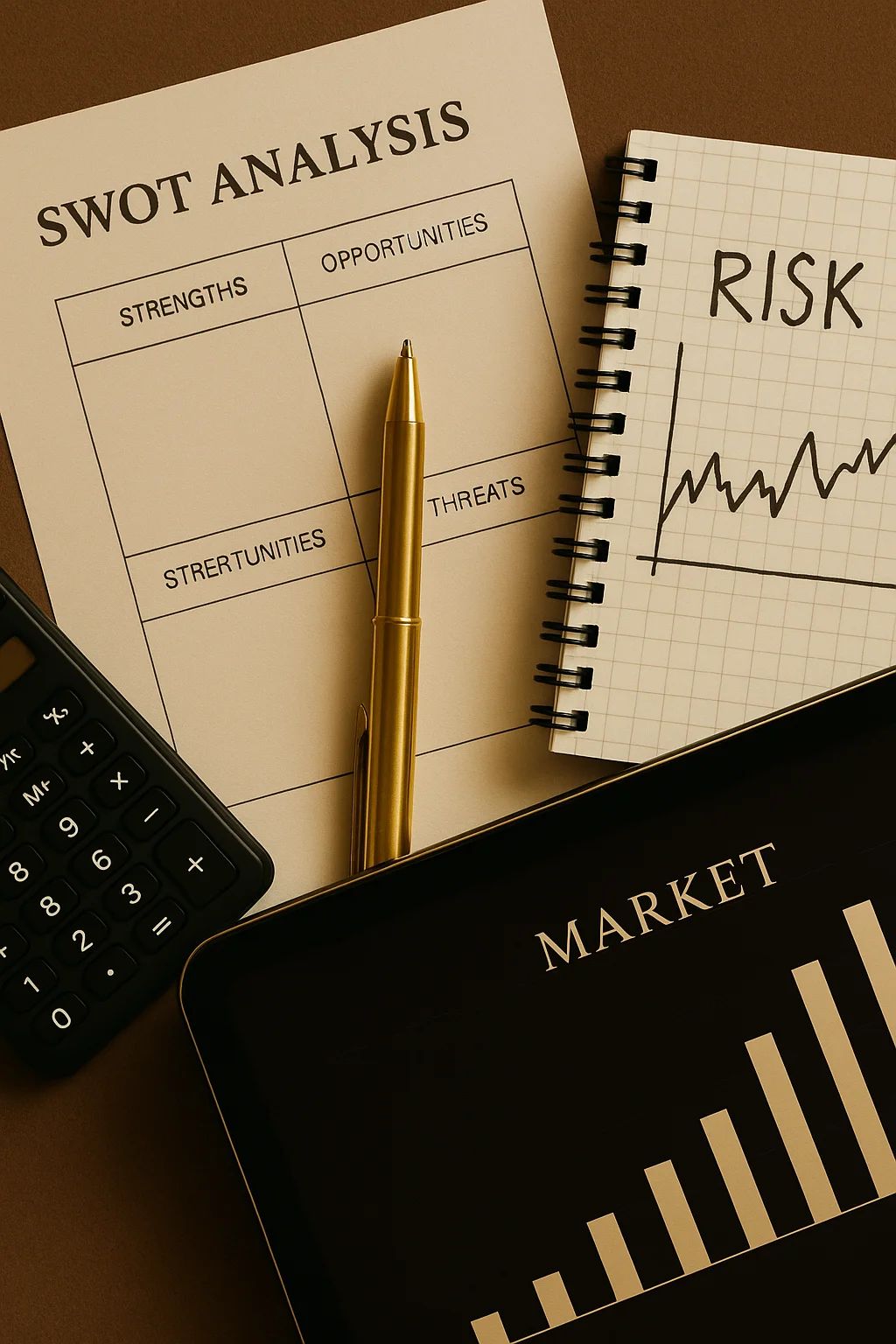
What does smart planning mean?
Smart planning means aligning all components of a project:
- urban regulations and feasibility studies
- optimal legal and fiscal structure
- functional and sustainable architecture
- suitable technical solutions (steel vs. concrete structure, mineral wool insulation, ventilated façades)
- market analysis and monetization scenarios (sale, rental, co-investment)
The goal is to control risks and maximize investment returns — not just to build.
Where do the most common risks appear?
- Lack of legal clarity – The absence of an approved ZUP (Urban Zoning Plan), a valid urban certificate, or a clear contractual partnership can block the project from the very beginning.
- Underestimating real costs – Failure to plan in detail for the structure (e.g. costs for reinforced concrete vs. steel structure), finishes (ceramics, joinery, waterproofing), or installations often leads to major budget overruns.
- Design misaligned with real demand – For example, developing large apartments in an area where the market demands two-bedroom units or premium studios can lead to stalled sales.
- Uncoordinated technical stages – The lack of a clear phasing plan, complete cost estimates, or proper site management results in delays and increased costs.
How does GBBC approach the planning process?
At GBBC, we treat every project as a strategic ecosystem — not just a construction effort. Our structure brings together:
- Urban and legal analysis (construction regulations, zoning plans, urban certificates, co-ownership, partnerships)
- Financial modeling & cash flow (cost–return analysis, target pricing, exit scenarios)
- Efficient architecture (designs adapted to budget, using materials such as Porotherm bricks, mineral wool, wood, HPL)
- Sustainable technical solutions (thermal insulation systems, ventilated façades, smart-home technology, steel or mixed structures)
- Monetization strategy (direct sale, rental, own operation, later conversion)
Real examples:
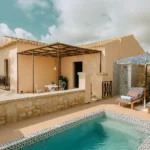
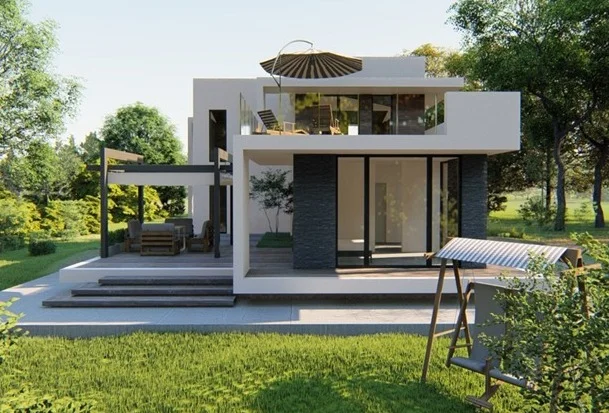
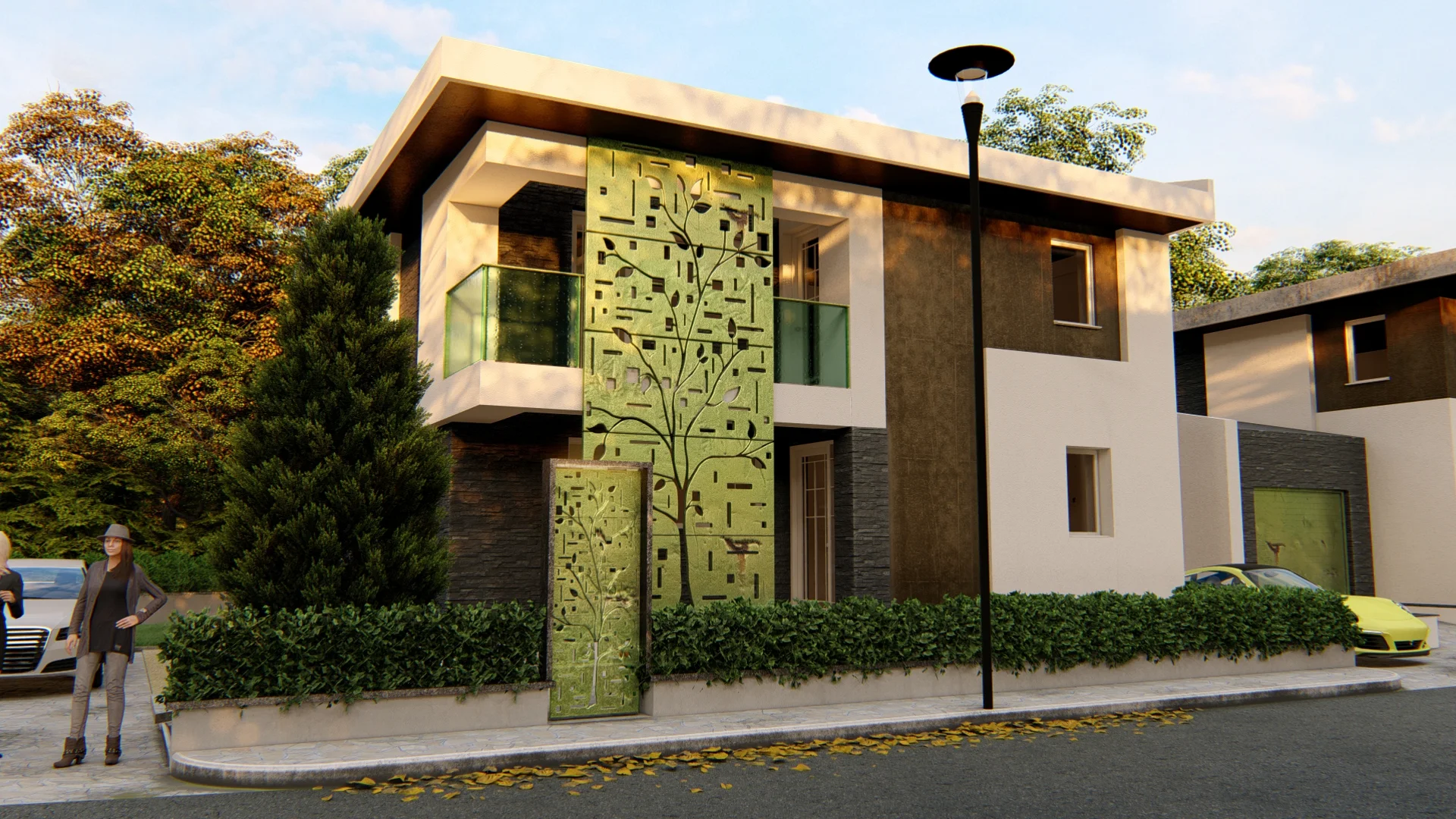
Corbeanca (Ilfov): smart planning of semi-detached villas instead of individual units reduced foundation and infrastructure costs by over 30%.
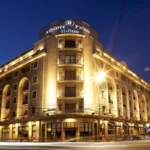
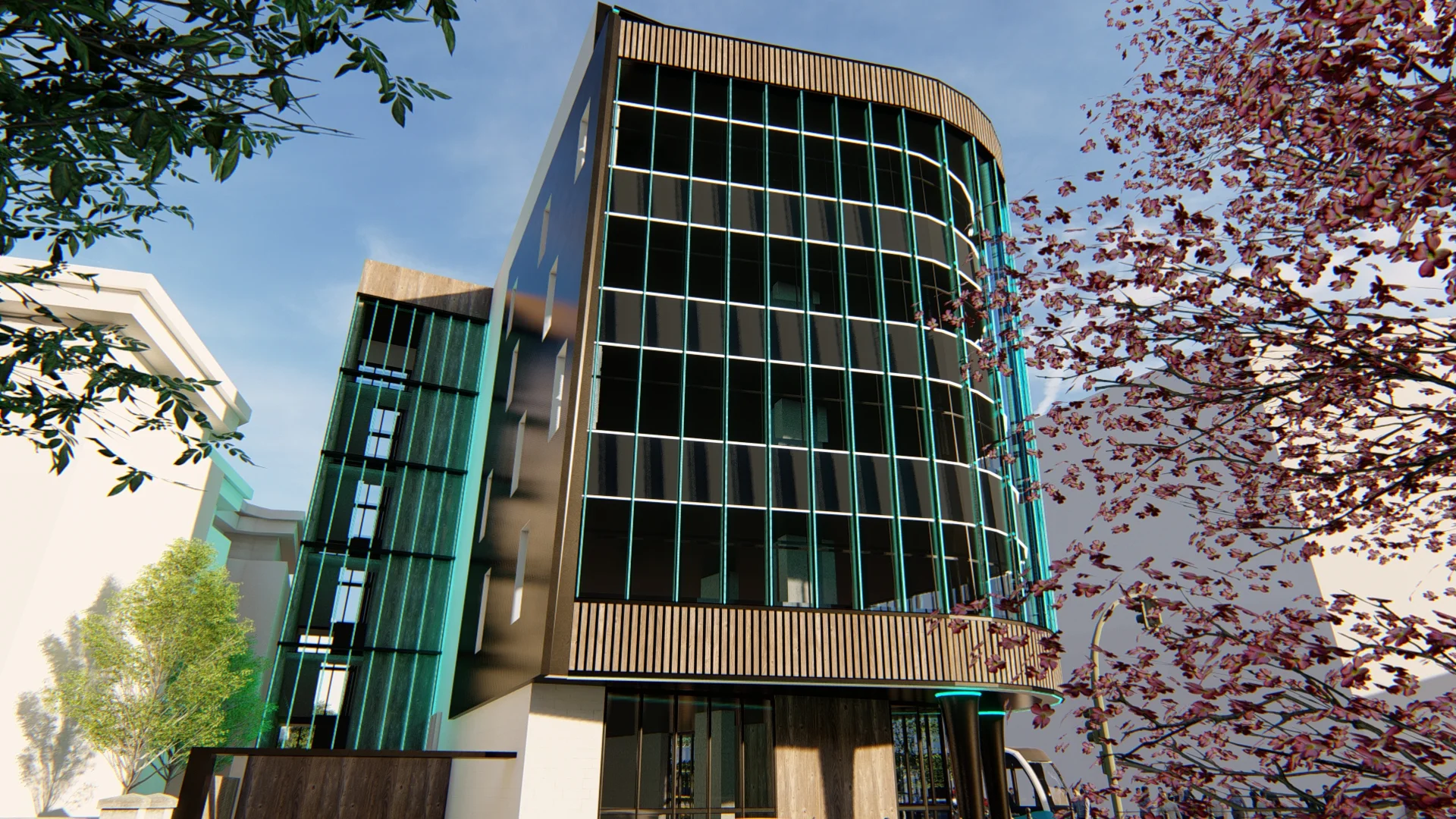
North Bucharest – commercial spaces + offices: choosing a steel structure and modular planning enabled completion in 7 months and the signing of a lease agreement before delivery.
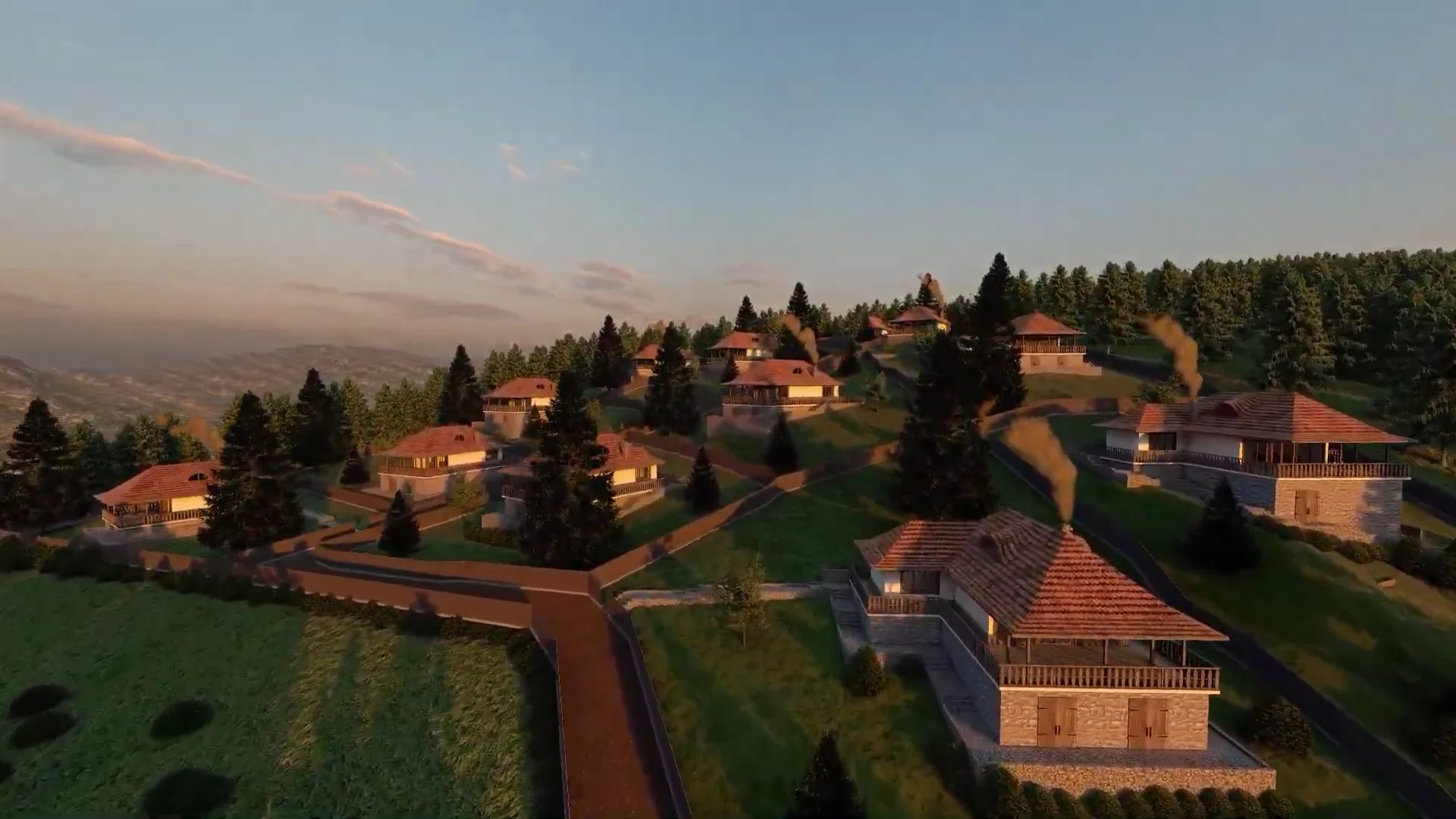
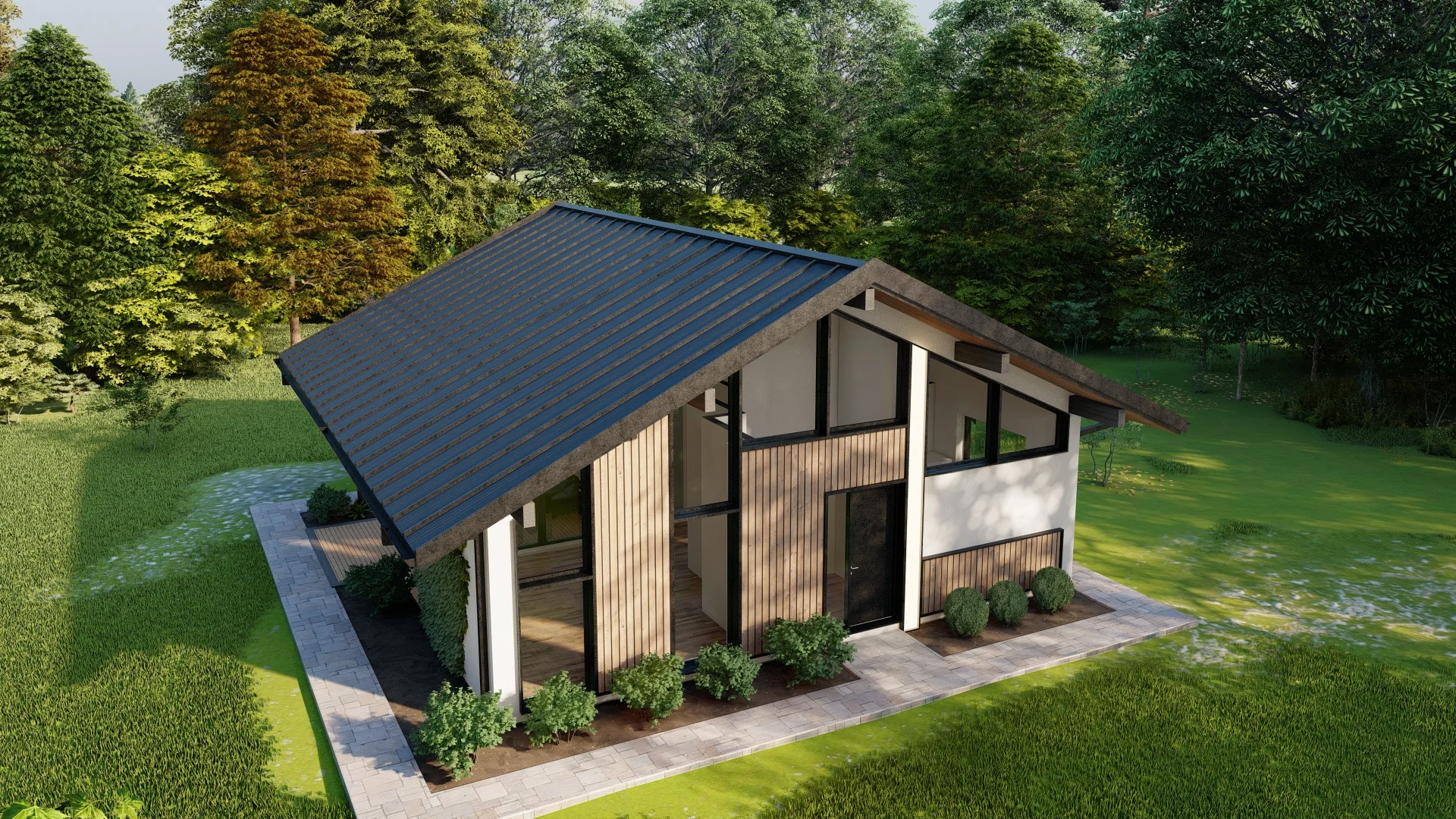
Mountain area – hospitality project: using AAC blocks + basalt wool insulation + lightweight roof structure reduced total weight and transport costs by 20%, while maintaining high thermal comfort.
At GBBC, we treat every development as a strategic asset — built to last and generate real value.
- By GBBC HOLDING