Project Thinking – Renovation of large buildings
Repositioning strategy for the premium segment
In top urban areas, renovating buildings with exceptional locations but outdated structure or aesthetics is becoming a key strategy for investors targeting the premium segment.
At GBBC, we see these buildings as latent assets that can be radically transformed without losing their character or positioning. Through a rigorous process of analysis, redesign, and execution, a property with stagnant value can become a landmark in a global city.
International trends in global markets
Renovating large buildings with architectural value or premium positioning is an increasingly common practice in developed urban centers. In a context where permits for new constructions are limited and sustainability is a priority, renovation becomes the strategic solution.
London
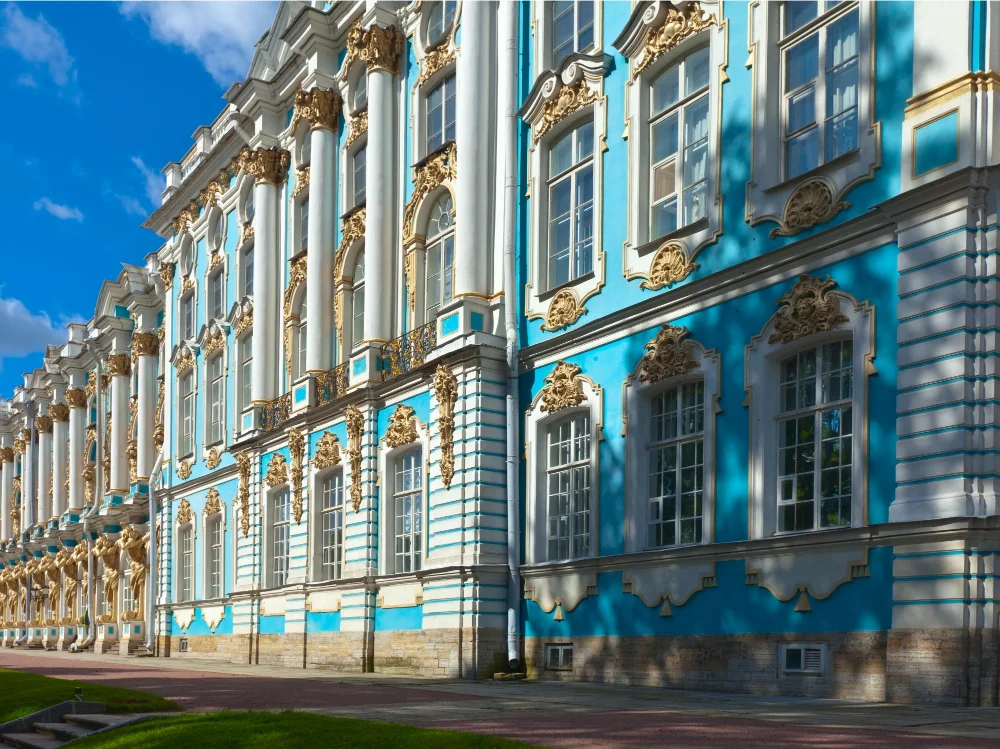
Areas like Chelsea, Marylebone, or Mayfair are dominated by historic buildings renovated for the ultra-high-end segment. The façades are preserved, but the interiors are completely redesigned — from HVAC to smart systems and premium finishes.
Paris
Haussmannian residences in central areas are being restored and adapted to contemporary demands: private elevators, wine cellars, optimized natural light. The classic aesthetic is preserved, but functionality is brought up to modern standards.
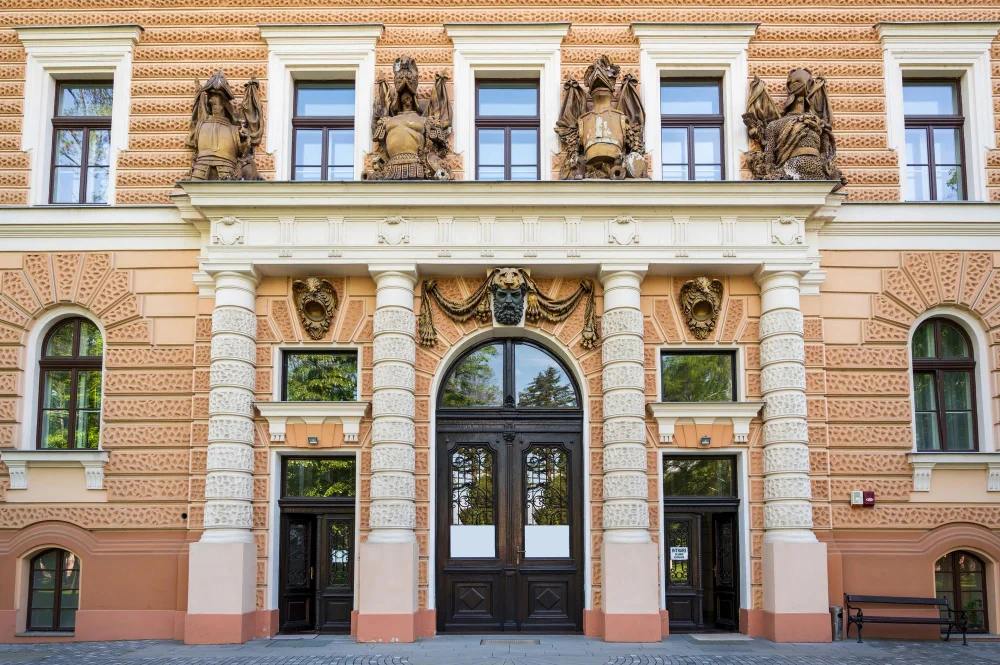
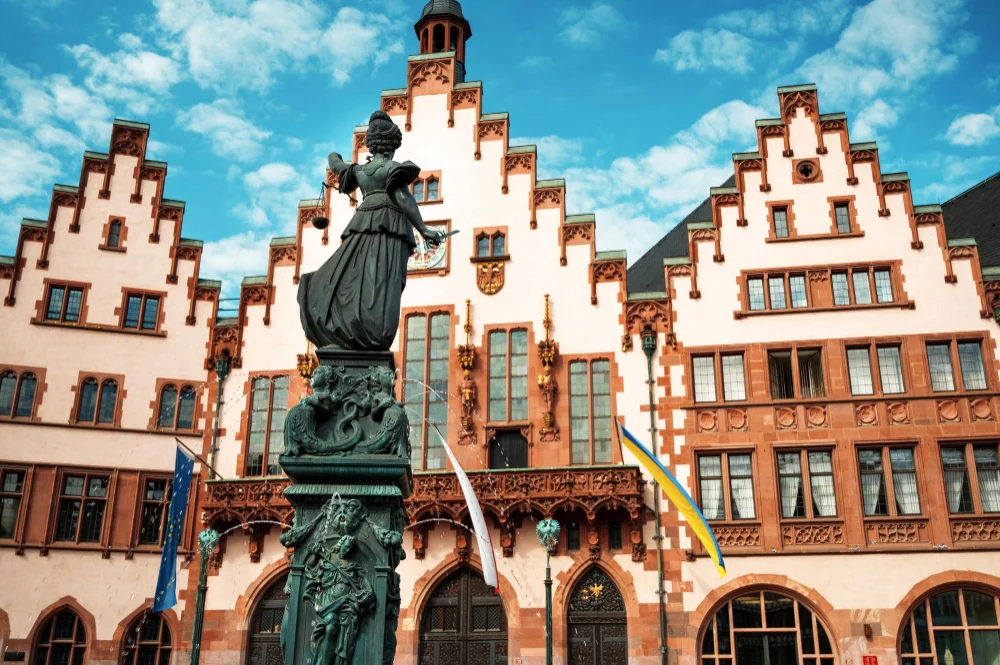
Geneva & Zürich
Administrative buildings and apartment blocks from the 1960s–1980s are being renovated to become boutique offices or high-end multifamily residences. The focus is on high-performance insulation, natural materials, and integrated technological infrastructure.
Dubai
Older buildings in Dubai Marina or Jumeirah are being repositioned as premium offices, private clinics, wellness spaces, or exclusive residences. Renovation gives them a new identity, setting them apart from a market saturated with new developments.
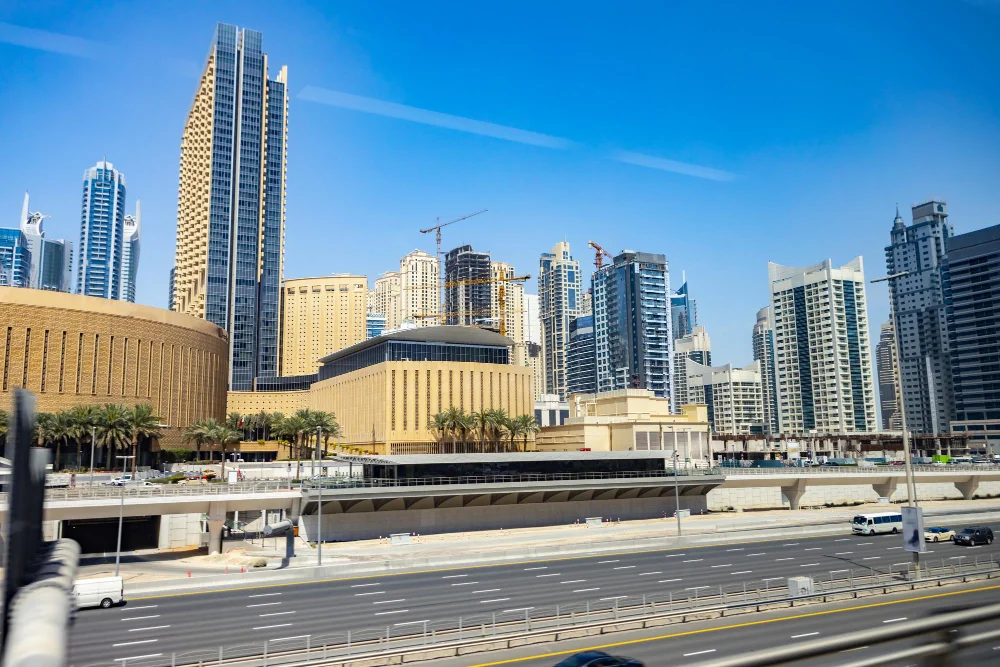
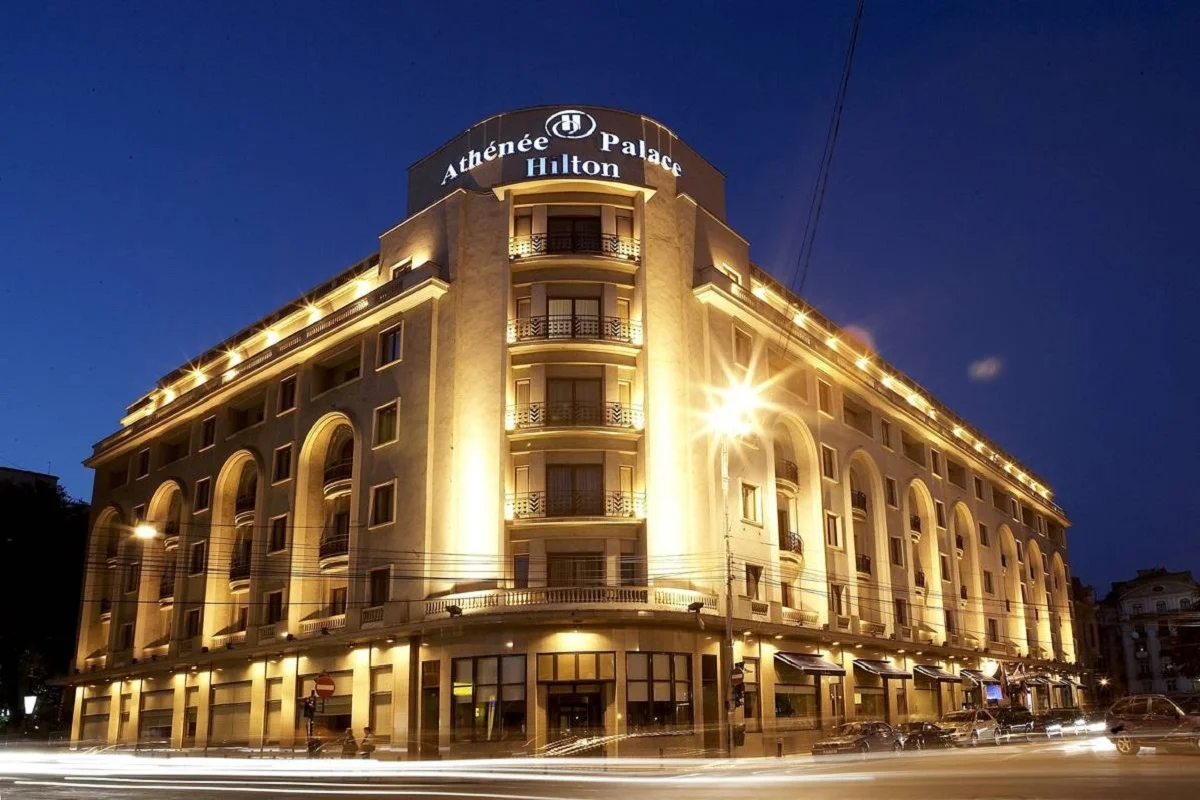
Romania
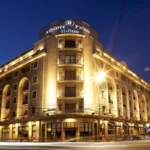
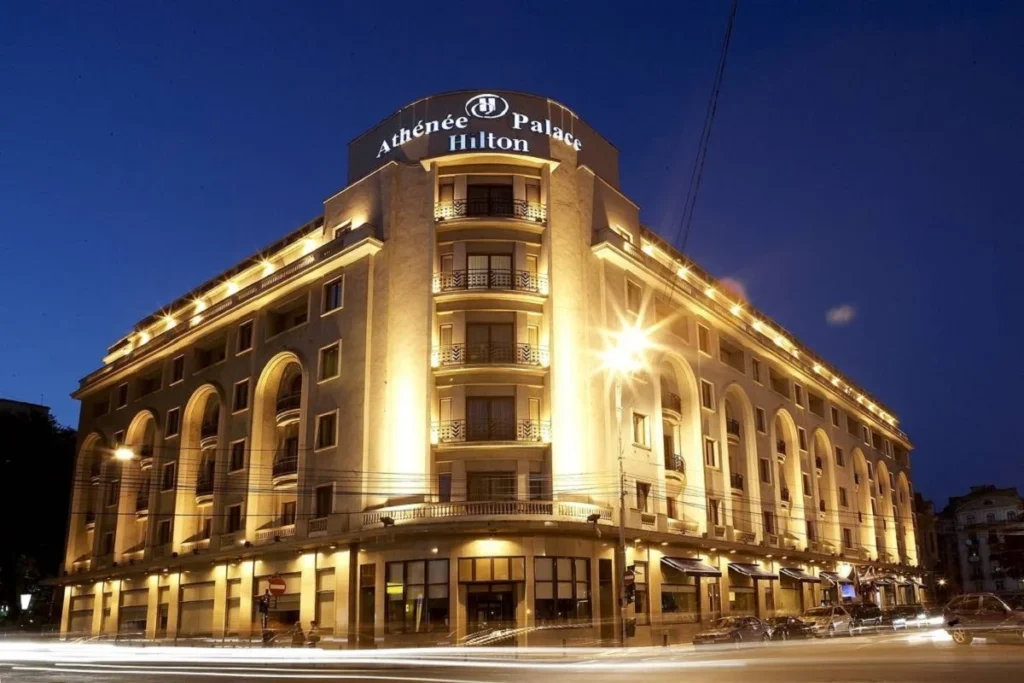
In Bucharest, Brasov, and Sibiu, interwar buildings and central properties are being renovated to become boutique hotels, company headquarters, or high-end residences. Clients are looking for uniqueness, not just new construction.
What does a renovation for the premium segment involve?
- Complete functional analysis – circulation, access, partitions
- Architectural and aesthetic redesign – ventilated façades, natural lighting, contemporary proportions.
- Discreet technological integration – smart home, HVAC, access and security systems
- Top-quality materials – natural stone, solid wood, high-performance joinery, structural glass
- Partial structural reconfiguration – where necessary
- Relevant auxiliary spaces – private elevator, underground parking, rooftop, relaxation areas
When is renovation a strategic choice?
- The building has an excellent location (central, historic, accessible)
- The structure is solid, but the design is outdated
- Land is limited or expensive
- Execution time needs to be short
- There is a desire for a product with a unique identity that cannot be replicated through standard development
GBBC in large-scale renovation projects
At GBBC, we approach renovation as a complete process — not just a one-off intervention.
- Our role includes: Urban, legal, and functional audit
- Full design: architecture, structure, MEP, interior
- Planning and execution supervision
- Market repositioning: branding + commercial strategy
- Consultancy for permitting and institutional relations
We operate in Romania, the UK, France, Switzerland, and Dubai, with specialized partners and dedicated technical teams.
Renovation is not a compromise solution. It is a strategic decision — one that transforms a space with latent potential into a real, updated, and valuable asset.
Want to talk about a building with revaluation potential?
Write to us. Our team can guide you from analysis to complete repositioning.
- By GBBC HOLDING