Architecture & Design Insights – The Return of Textures in Interior Design
A language that goes beyond aesthetics and activates the senses
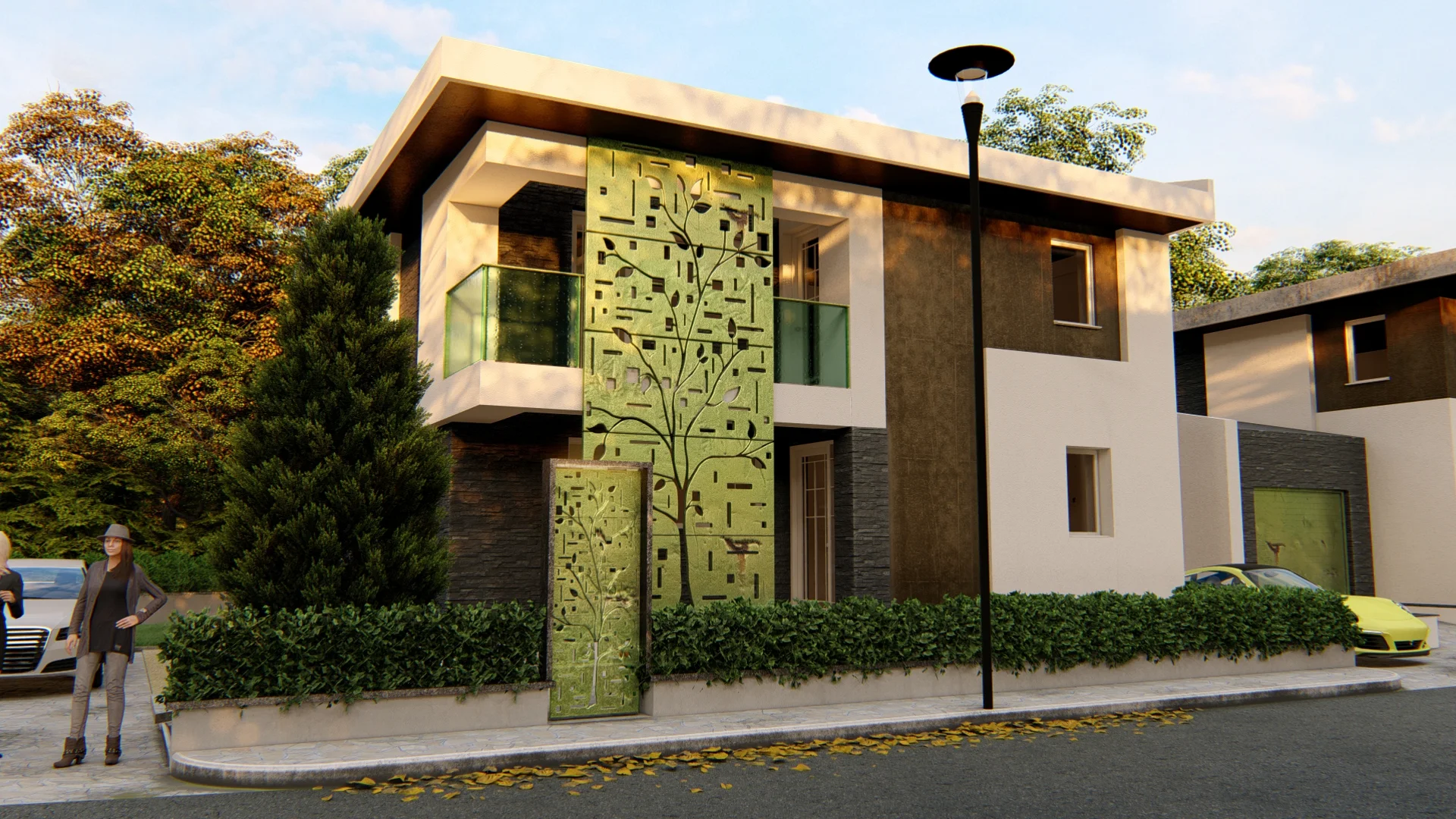
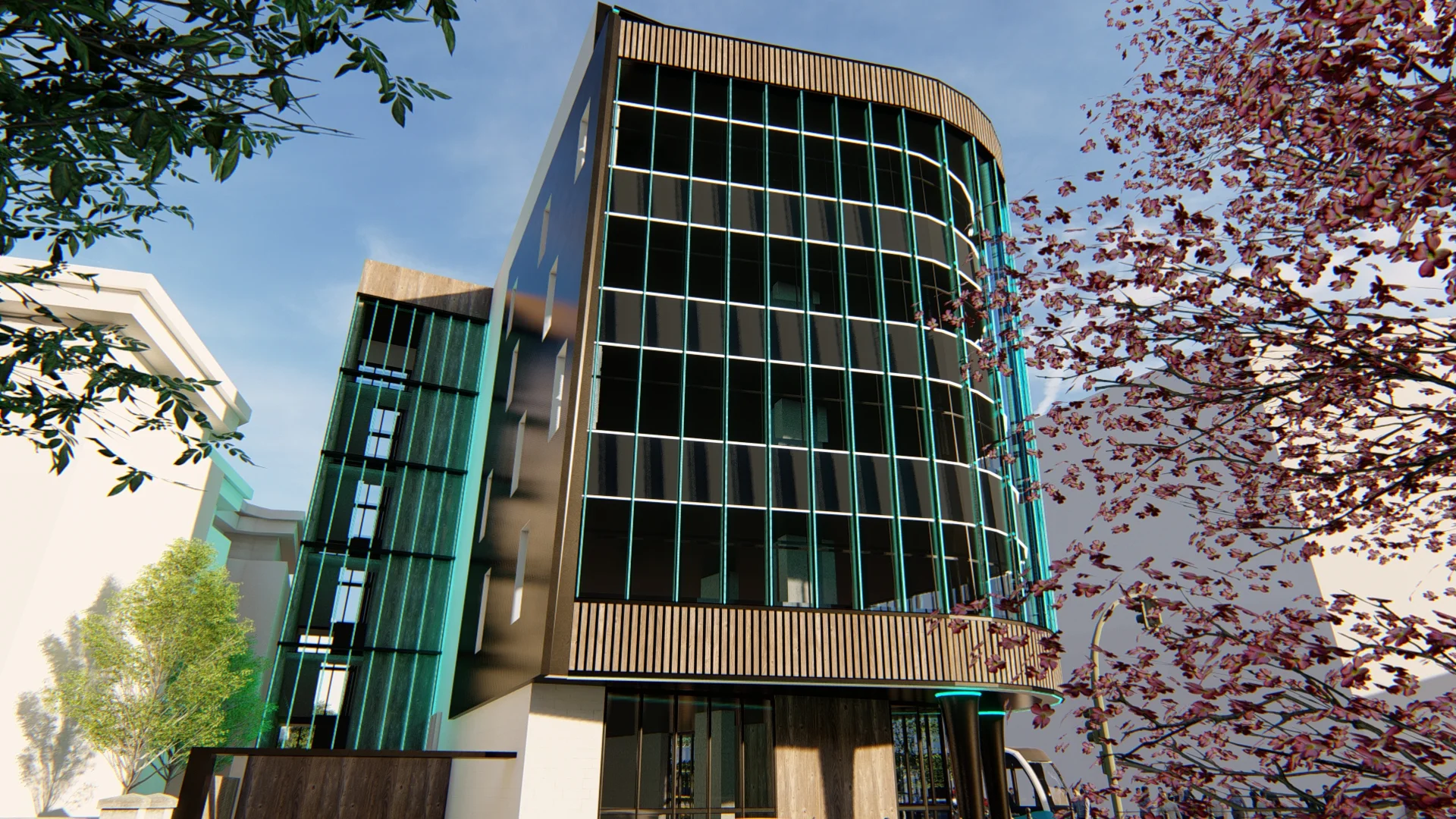
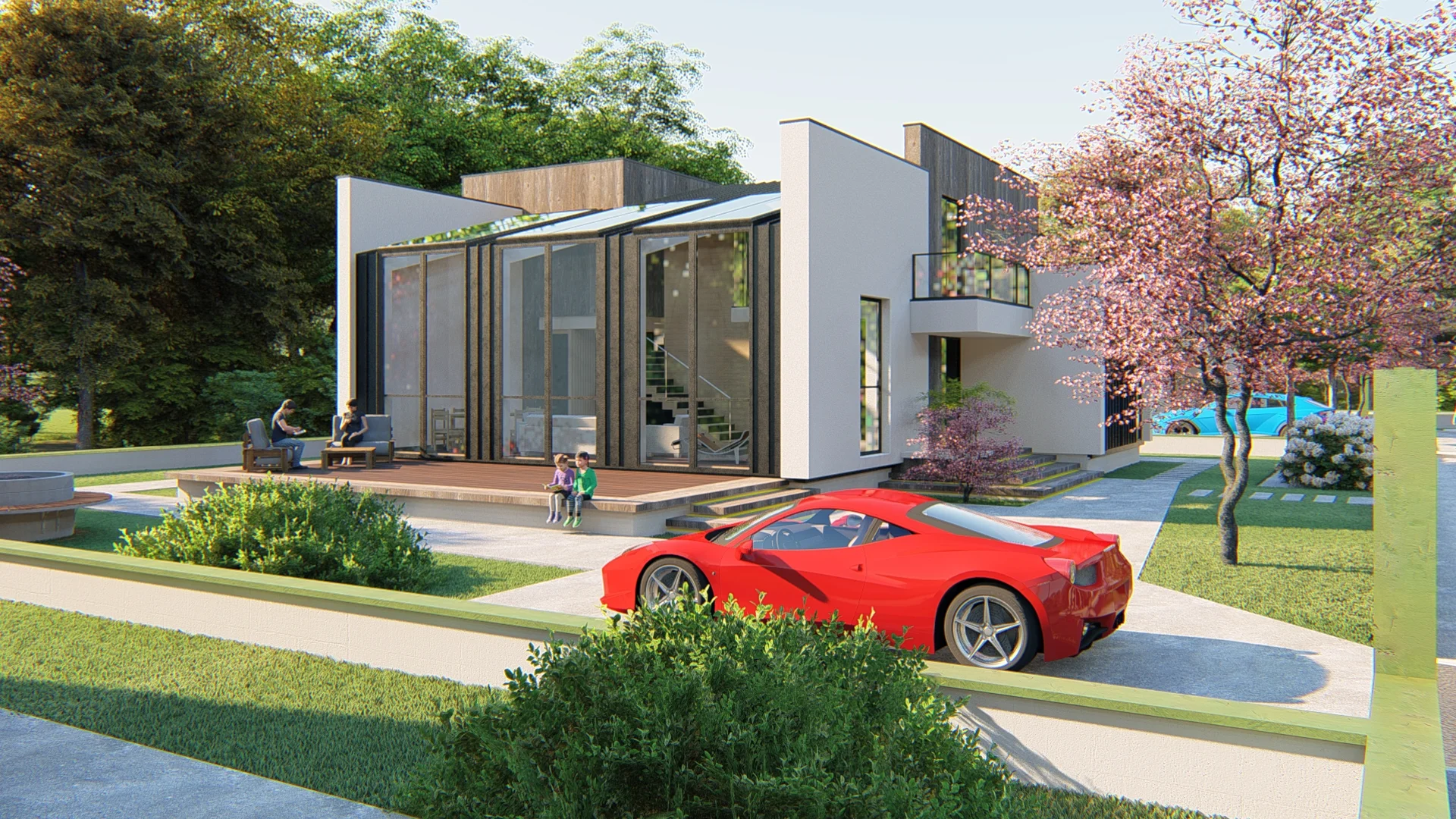
Interior design is no longer just visual — it is experienced. Texture is returning to the forefront of contemporary architecture as a means of emotional expression, transforming spaces into multisensory experiences. Solid wood, natural stone, raw textiles, or patinated metal finishes are not merely aesthetic details — they are essential elements in the narrative of a space with identity.
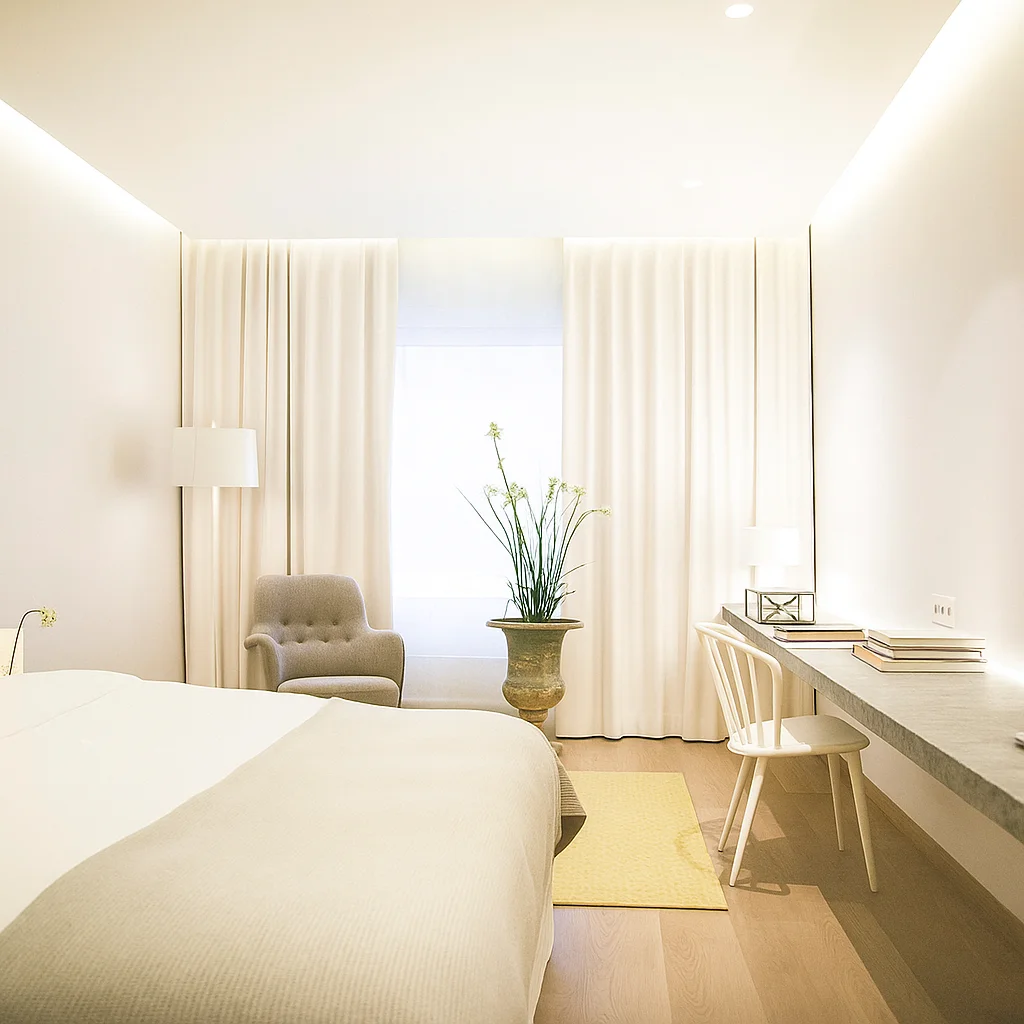
Scandinavia
In the Småland region of Sweden, hotels like PM & Vänner combine local wood, heavy textiles, and soft Nordic light to create calm, intimate, and deeply tactile spaces.
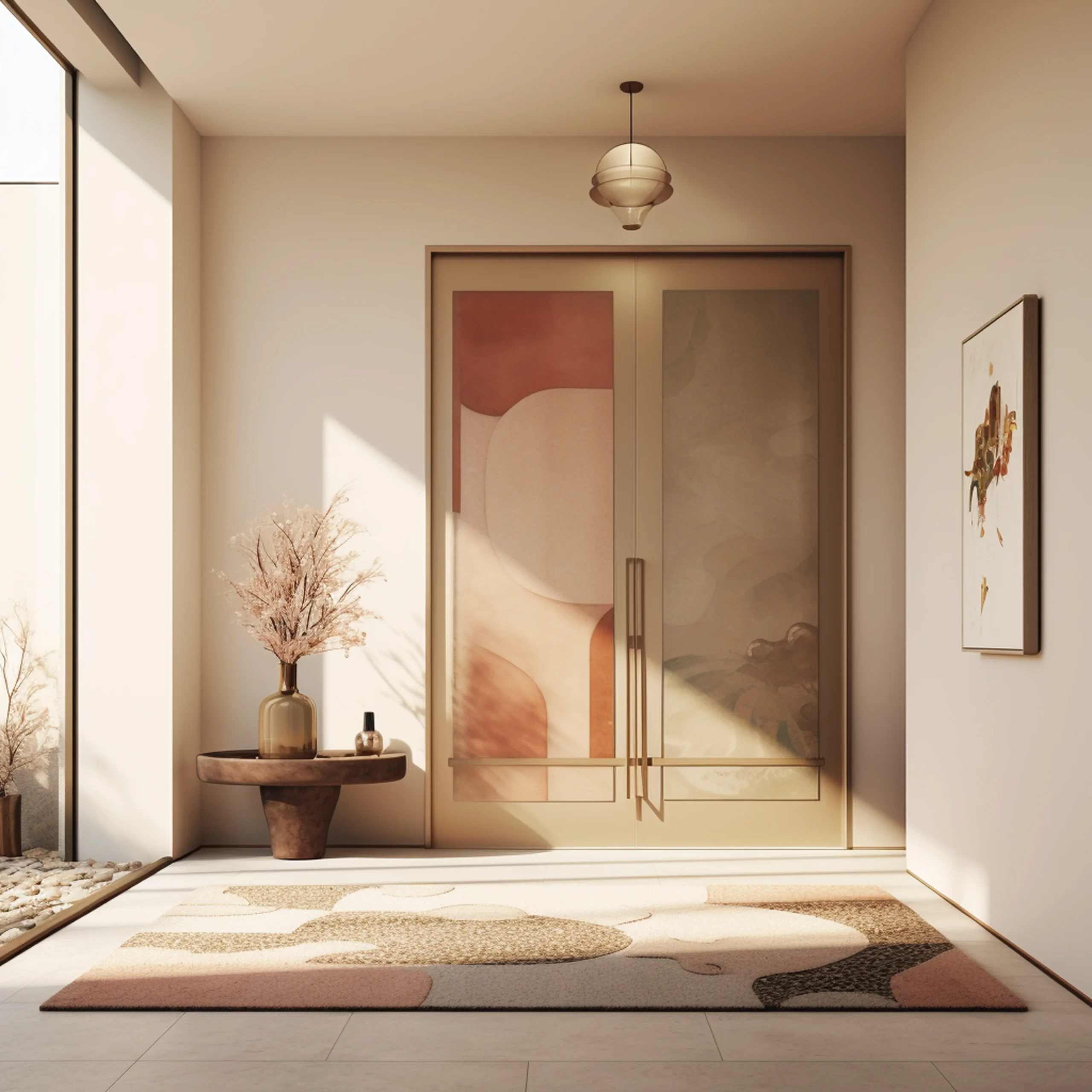
Japan
The Japandi style — a fusion of Japanese minimalism and Scandinavian functionality — produces clean interiors where natural materials are chosen for balance and sensory calm.
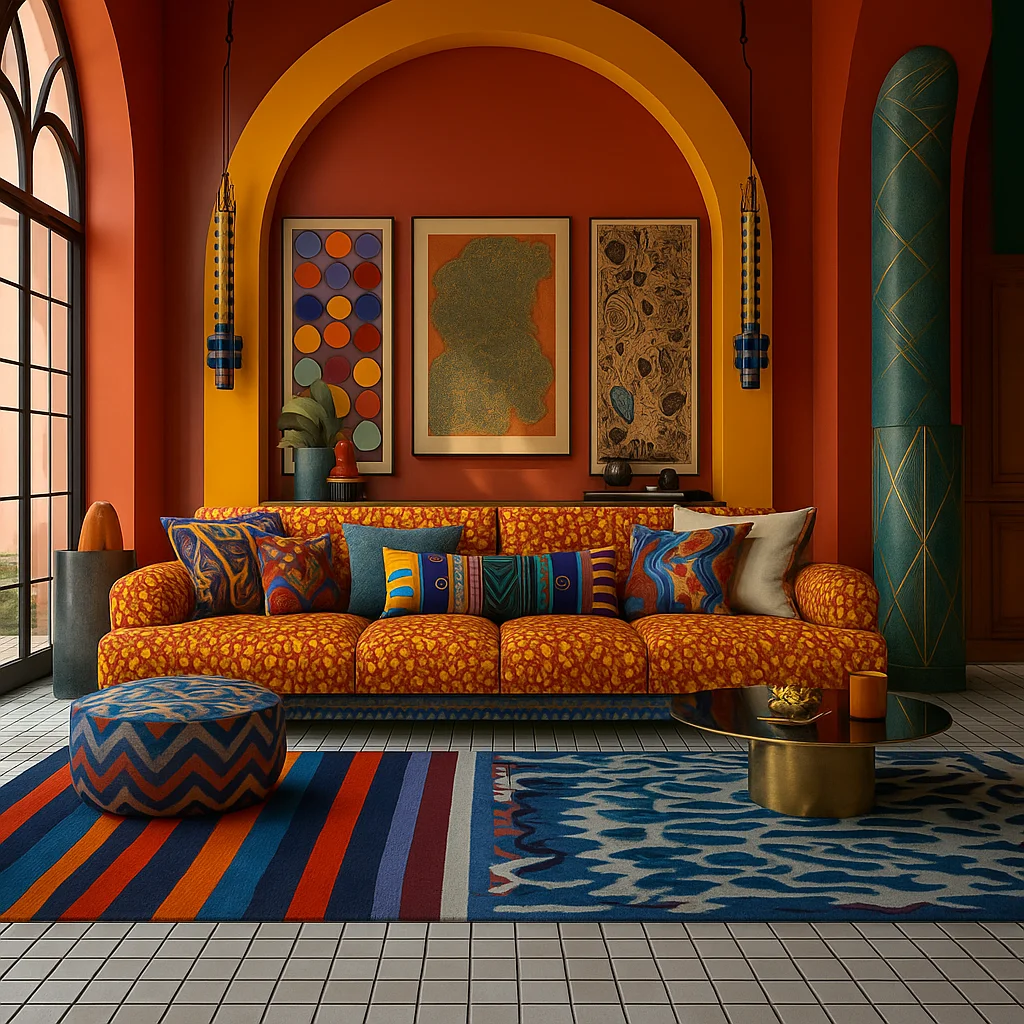
Morocco
Premium riads in Marrakech, such as Farasha or Moro, showcase texture through tadelakt, handcrafted ceramics, and shaded inner courtyards — defining a ritualistic, meditative, and deeply material space.
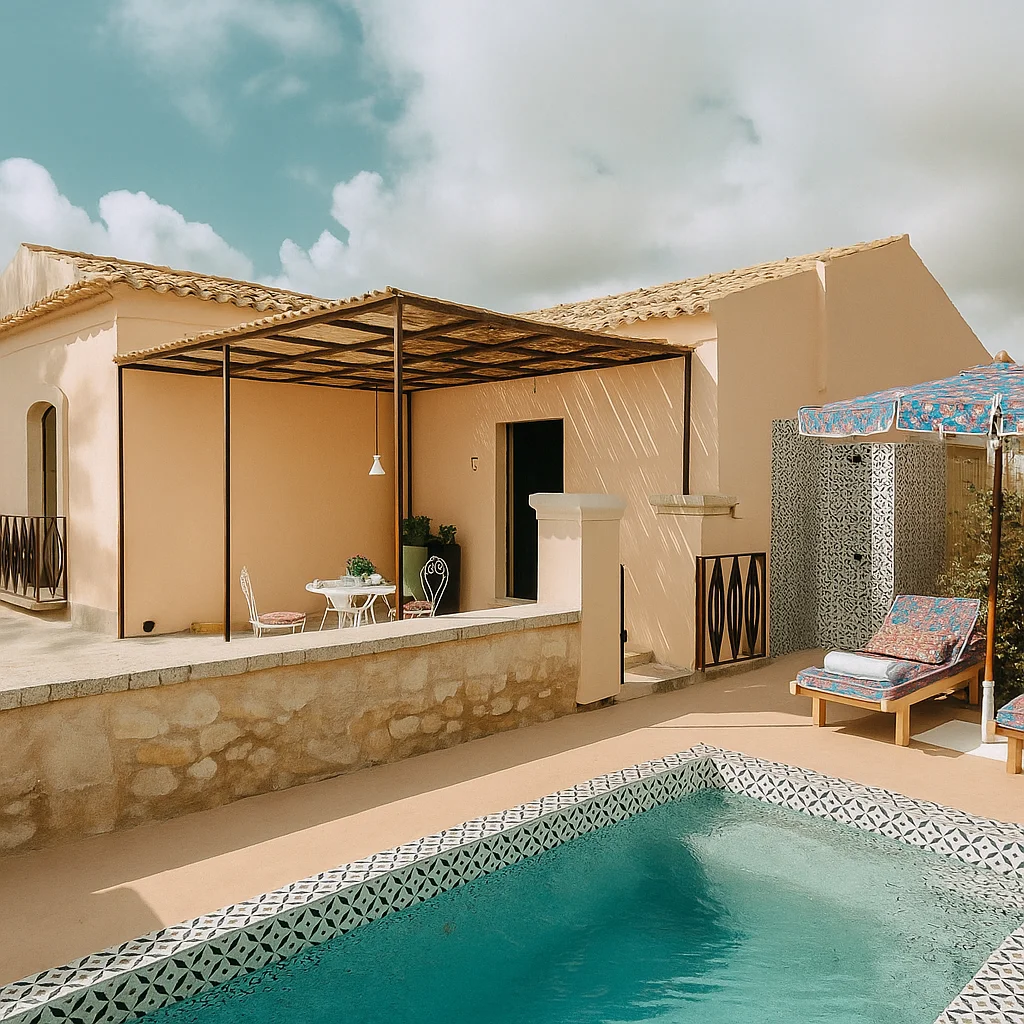
Southern Europe
Hotels like Braccialieri (Sicily) or Patina Osaka (with Japanese influence in a European context) emphasize sustainable textures — reclaimed wood, naturally weathered stone, and organic textiles — all with both narrative and functional purpose.
Romania – where texture remains authentic
Unlike digitally refined international trends, in Romania, texture continues to be a sincere, raw, and living expression of the relationship between people and space.
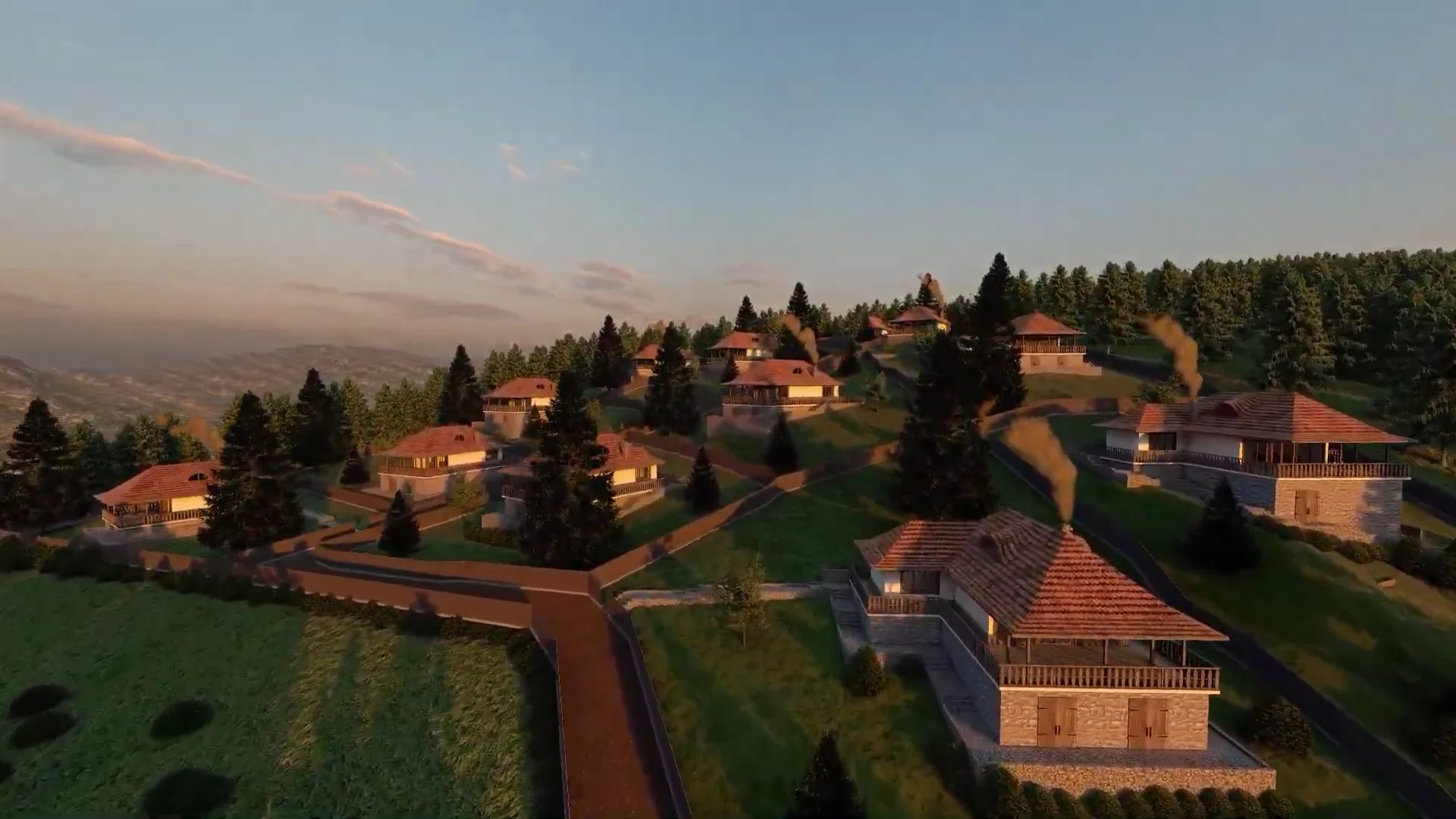
Voroneț Lila Hotel (Suceava) is a powerful example: reinterpreting vernacular architecture through a contemporary lens, the project uses local wood, raw stone, and tall roofs to create a warm, coherent space integrated into the Bucovina landscape.
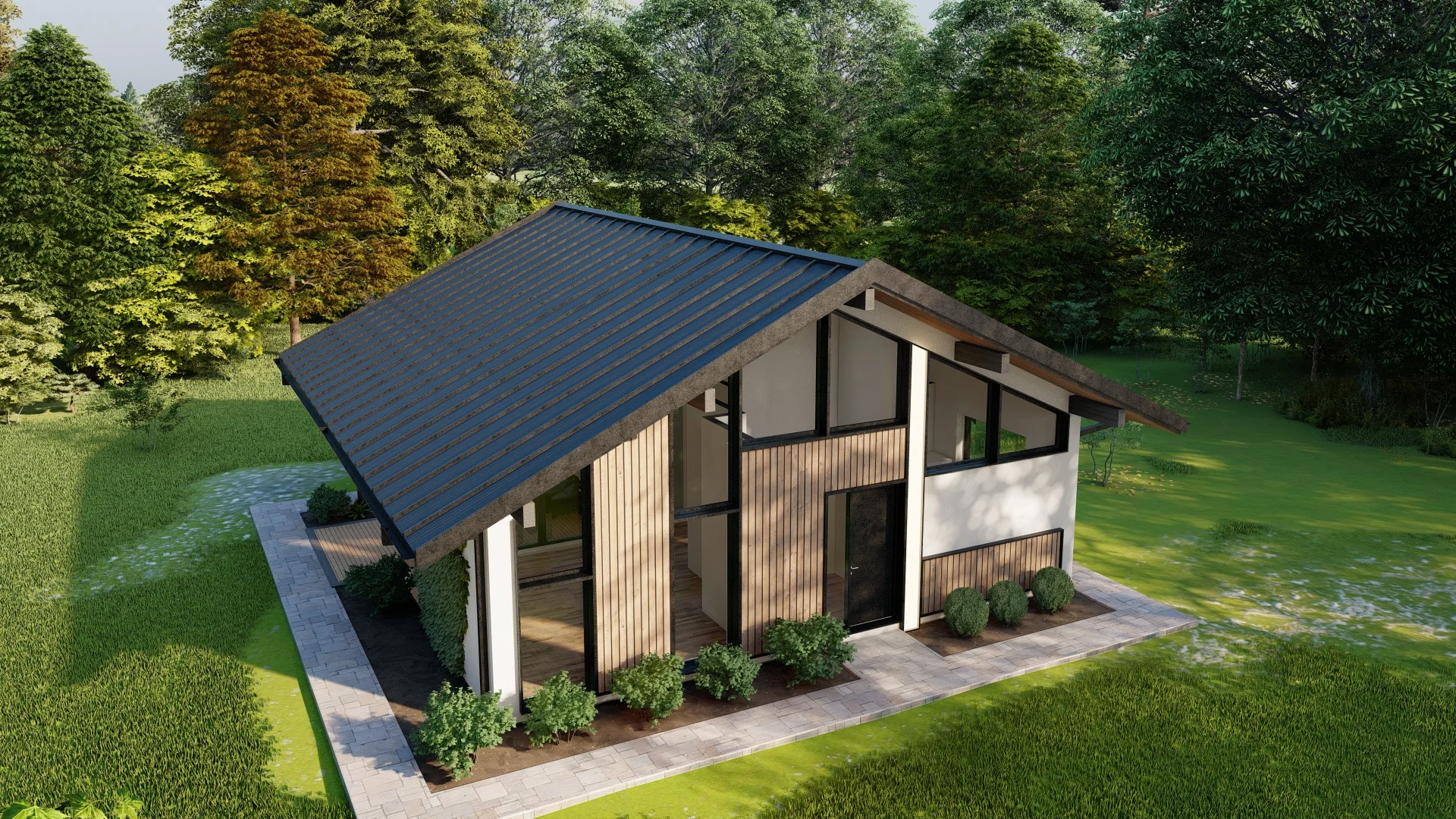
At the complementary end, Cuibul de Lemn (Râșnov) preserves the Romanian mountain spirit in a retreat-style architecture: simple volume, solid wood, warm light, and open views. Here, texture is not a stylistic choice — but an extension of the landscape, a tactile continuation of nature.
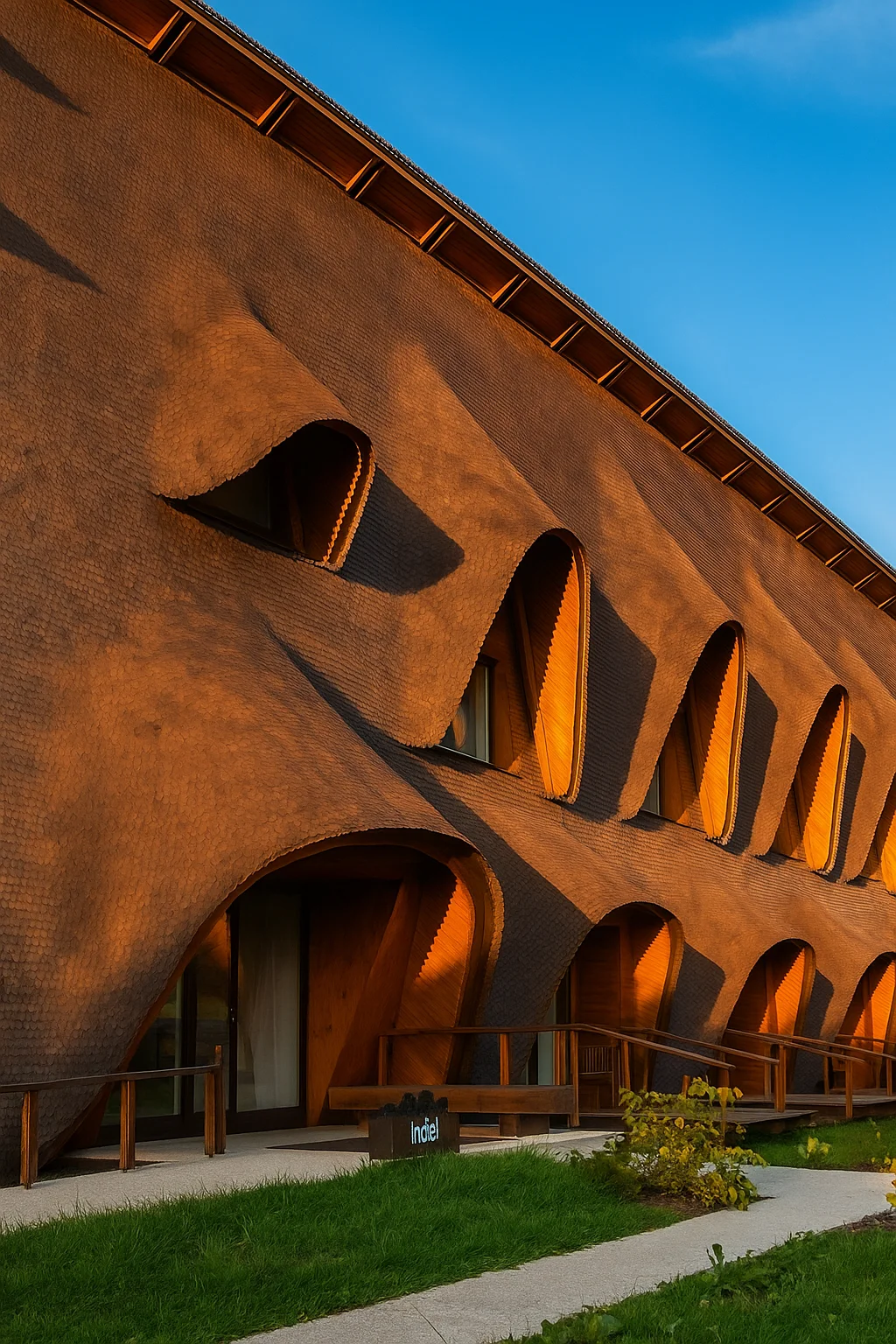
These projects show that in Romania, texture is not a trend, but a cultural continuity — a living memory that can be subtly translated into contemporary architecture.
GBBC Studio – design that’s felt
The studios within the GBBC ecosystem actively explore the expressive potential of texture, treating it not as decoration but as an architectural language in itself. Our projects begin with the belief that a meaningful space is not just functional or beautiful — but lived.
Why does texture matter now?
- Authenticity – Spaces become unrepeatable, memorable, and uniquely identifiable
- Sustainability – Natural materials evolve over time, preserving their beauty
- Emotional connection – A space is felt: through touch, light, rhythm, and proportion
Architecture you can feel
Texture is more than surface. It is memory, presence, and functional poetry. In a world where images are quickly consumed, the spaces that are felt are the ones that endure.
At GBBC, we design spaces that are not just seen — but experienced. Every material is chosen with intention, every detail contributes to a coherent, tactile, and emotional experience.
When was the last time you stepped into a space that stayed with you — not for how it looked, but for how it made you feel?
- By GBBC HOLDING